
Search engine-optimized content is the key to ranking higher in search engines. Many struggle to get their content noticed, despite putting in hours of work. The problem lies in missing critical search engine optimization (SEO) strategies. These strategies are essential to connect with search algorithms and user intent. Poor quality or irrelevant content fails to attract organic traffic and satisfy search intent.
The solution? Implement proven SEO techniques that enhance your content’s visibility and appeal. By focusing on keyword placement, user experience, and content quality. You can drive more search traffic and improve search rankings. Start transforming your content strategy today for better results.
What is Search Engine-Optimized Content?
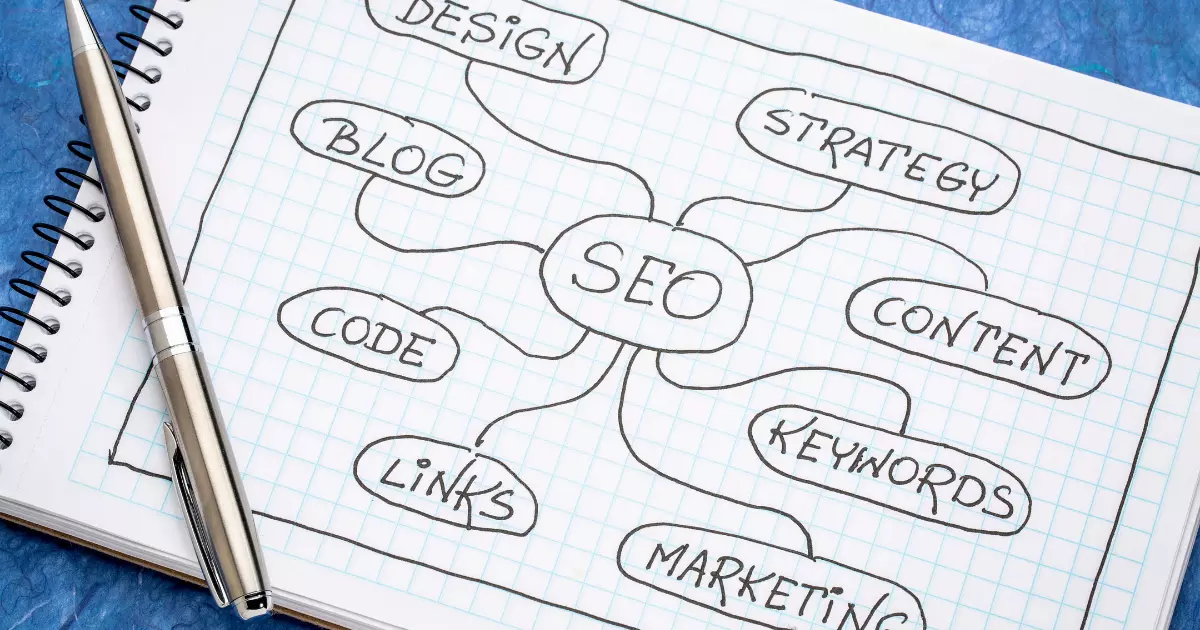
Search engine optimized content is content designed to rank higher in search engines. It helps attract organic traffic and improve online visibility. This type of content aligns with search engine algorithms while meeting user intent and needs.
It uses relevant keywords, internal and external links, and a well-structured format. The goal is to create high-quality content that is both user-friendly and search engine-friendly. It answers search queries effectively and boosts search engine rankings. Whether it’s blog posts, product descriptions, or visual content, optimizing content for SEO is essential for success.
How Does Search Engine-Optimized Content Improve Website Rankings?
Search Engine Optimized Content improves website rankings by meeting search engine requirements. It uses relevant keywords to match user queries and search intent. Proper keyword placement helps search engines understand the content’s purpose.
High-quality content keeps users engaged and reduces the bounce rate. Internal and external links build connections that enhance credibility. Optimized meta titles and descriptions improve click-through rates.
Search engines reward valuable and relevant content with better rankings. Consistent content optimization ensures long-term success. By focusing on user experience and algorithms, SEO content boosts traffic and visibility.
How to Optimize Your Content for Search Engine?

To improve your rankings, you need to implement proven SEO strategies. These hacks focus on creating content that appeals to both users and search engines. Let’s explore each hack and how it can transform your content.
Conduct Thorough Keyword Research
Keyword research identifies terms your audience searches for. Use tools like Google Keyword Planner to find relevant and low-competition keywords. Focus on both head keywords and long-tail keywords for better targeting. Avoid keyword stuffing to keep content natural. Prioritize keywords that match search intent and drive organic traffic. Strong keyword research is the foundation of effective SEO content.
Optimize On-Page Elements
On-page SEO involves optimizing meta titles, descriptions, and headers. Include your target keyword naturally in these elements. Use a well-structured format with proper headings and bullet points. Ensure your content is easy to read and mobile-friendly. Optimize images with alt text and descriptive filenames. These changes improve content visibility and click-through rates.
High-Quality, Engaging Content
High-quality content keeps users on your page longer. Focus on addressing user intent with valuable and relevant information. Use visuals like images, videos, and infographics to make content engaging. Avoid duplicate content to maintain originality. Regularly update your content to stay relevant and fresh. Engaging content improves user experience and search engine rankings.
Build Strong Backlinks
Backlinks signal authority and trust to search engines. Focus on earning links from high-quality, relevant websites. Avoid spammy or low-quality backlinks, as they harm rankings. Guest blogging is an effective way to gain backlinks. Collaborate with others in your industry to build credibility. Strong backlinks enhance your site’s domain authority and rankings.
Ensure Mobile-Friendliness
Mobile-friendly websites rank higher on search engines. Use responsive design to ensure content adapts to all screen sizes. Test your site’s mobile performance using tools like Google’s Mobile-Friendly Test. Optimize page speed to improve user experience on mobile devices. Avoid intrusive pop-ups that hinder navigation. A mobile-friendly website meets user needs and search engine expectations.
Leverage Internal Linking
Internal links connect your content and improve navigation. Use relevant anchor text to guide users and search engines. Link to related pages or blog posts to keep users engaged. Internal links distribute link equity across your site. They help search engines understand the structure of your content. Strong internal linking enhances usability and boosts rankings.
Utilize Analytics for Continuous Improvement
Analytics tools help track content performance and identify weaknesses. Use tools like Google Analytics to measure traffic and engagement. Monitor metrics like bounce rate, click-through rate, and conversion rates. Analyze which content performs best and replicate its strategies. Regularly adjust your content based on data insights. Continuous improvement ensures long-term SEO success.
What are the Common Mistakes in Optimizing Content for Search Engine?

Even with the best intentions, many fall into common SEO traps. These mistakes can hurt your rankings and reduce your content’s effectiveness. Let’s uncover the most frequent missteps and how to avoid them.
Keyword Stuffing
Keyword stuffing is the excessive use of target keywords in content. It disrupts the natural flow and harms readability. Search engines penalize content that overuses keywords. Instead, focus on using keywords naturally and sparingly. Balance is key to keeping both users and search engines satisfied.
Ignoring Mobile Optimization
Failing to optimize for mobile users can damage your rankings. Mobile devices account for a significant portion of search traffic. A site that isn’t mobile-friendly frustrates users and increases bounce rates. Use responsive design to ensure content works on all screen sizes. Mobile optimization is critical for delivering a seamless user experience.
Failure to Update Old Content
Outdated content loses relevance over time, affecting rankings. Search engines favor fresh and accurate information. Regularly review and update old blog posts or pages. Add new insights, examples, or data to keep the content valuable. Keeping content up-to-date improves visibility and user trust.
Frequently Asked Questions
How Does Keyword Research Impact Content Optimization?
Keyword research identifies terms your audience is actively searching for. It ensures your content matches user queries and search intent. Targeting relevant and competitive keywords improves search rankings and visibility. Effective research also avoids keyword cannibalization, keeping content focused and valuable.
What are the Best On-Page Strategies for Well-Optimized Content?
On-page techniques include optimizing meta titles, descriptions, and headers. Use target keywords naturally in these elements for better rankings. Incorporate internal links to connect related pieces of content. Proper formatting, including headings and bullet points, enhances readability and user experience.
How Can Quality Backlinks Help Rank Your Content?
Backlinks from authoritative sites boost your content’s credibility and rankings. They act as a vote of confidence for search engines. Focus on earning links from relevant and high-quality websites. Avoid spammy links, as they can harm your site’s performance.
What Role Does Analytics Play in Enhancing Optimized Content?
Analytics tools provide insights into your content’s performance. Metrics like bounce rate and click-through rate reveal strengths and weaknesses. Use data to refine strategies and improve user engagement. Continuous monitoring ensures your SEO content strategy stays effective.
How Often Should You Update Your Content?
Content should be updated regularly to stay relevant and accurate. Review it every 6-12 months, or sooner for time-sensitive topics. Add new data, keywords, or examples to improve its value. Frequent updates signal freshness to search engines and improve rankings.
What Tools Can You Use to Optimize Your Content?
Tools like Google Analytics and Keyword Planner are essential for SEO. They help with keyword research, performance tracking, and content optimization. Other tools, like SEMrush and Yoast, guide on-page improvements. These resources simplify creating and maintaining SEO-friendly content.
Wrapping Up
Search engine-optimized content is the backbone of any successful online strategy. It drives organic traffic and improves search rankings. It also ensures your content resonates with search engines and users. This is achieved by focusing on quality, relevance, and strategic optimization. You can turn your website into a powerhouse of visibility. This approach ensures higher engagement with your audience.
To achieve this, you need the right expertise. That’s where Tipping Point Digital excels. We use proven strategies and advanced tools to help your content exceed SEO standards. Our tailored solutions include keyword research, on-page optimization, and building authority through backlinks. Each solution is designed to meet your unique goals. These solutions are designed to directly address your unique goals.
Ready to transform your content into a ranking powerhouse? Contact us today at +1 970-500-5365 and take the first step toward higher rankings and measurable results. Empower your business with the best in SEO expertise!